
Nine knights
Hugh of Payns and eight companions, after the First Crusade, to guard pilgrims on roads full of bandits.
A static research page · 8 sources
The Order on the road to Jerusalem, and why Vila-real is era and frontier, not lineage
By Roberto Villarreal Martinez · Roboto SAI - Super Advanced Intelligence
Nine knights
Hugh of Payns and eight companions, after the First Crusade, to guard pilgrims on roads full of bandits.
Temple, then bank
Baldwin II housed them at Al-Aqsa. They became the feared field force of the crusades — and Europe’s richest traveling bank.
One night
Philip IV, who owed them a fortune, had them seized on 13 October 1307. Clement V dissolved the order in 1312. Molay burned in 1314.
Era, not lineage
No published 1269–1274 grant names a Templar household as the namer of Vila-real. Neighbors at Xivert and Burriana. Not a bloodline.
The Knights Templar were a military and religious order founded in 1119 by nine French knights led by Hugh of Payns, just after the First Crusade. Their first job was to protect Christian pilgrims traveling to Jerusalem, because the roads were full of bandits. That is the living order. What follows on this page is that order, then the cut this journal already makes on the Plana: era and frontier, not a family named Villarreal.
The dossier already steelmans the live claims — a Templar-Jewish household as namer; an assassination bargain paid with a royal town — and cuts them. This essay is the history those claims borrow, kept on its own clock.
Part I
King Baldwin II of Jerusalem gave them quarters in the Al-Aqsa mosque, which they took to be Solomon’s Temple — hence the name: Poor Knights of Christ and of the Temple of Solomon. In 1129 the pope approved them at the Council of Troyes. From then they grew as almost no other order grew: the most feared warriors of the crusades, under vows of poverty, chastity, and obedience, in a white mantle with a red cross.
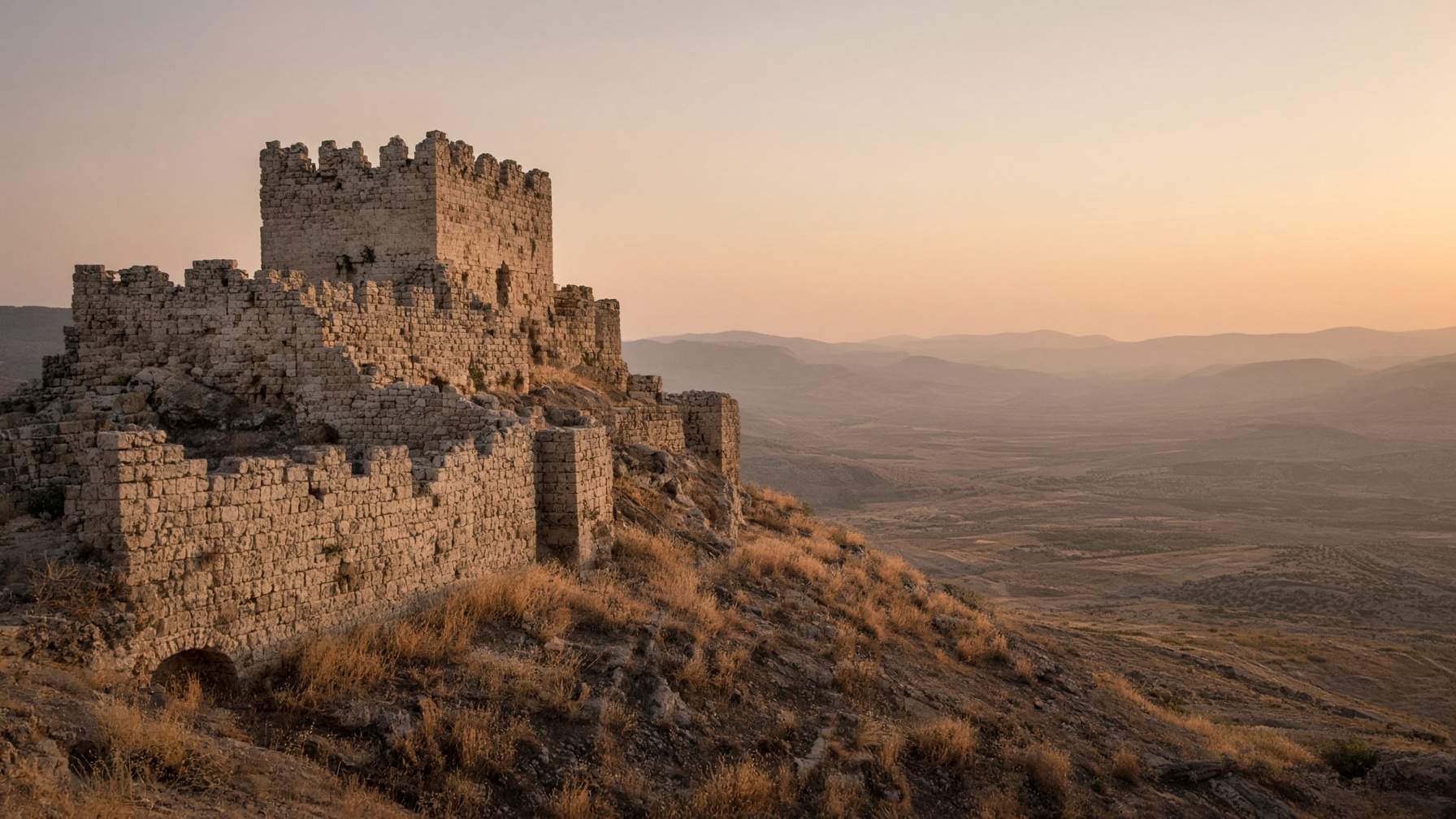
On this frontier they are not a rumor. For help at the conquest of Burriana, James I granted the castle of Xivert to the Templars in 1233; they also received a third of Burriana itself. Vila-real is later carved from Burriana’s term. The Order is the neighboring lord, not the naming agent in the 1274 clause.
Part II
They invented a traveling bank: the pilgrim deposited in his own country and withdrew in the Holy Land. In less than a century they were among the richest bankers in Europe. That is why a king who owed them a fortune could want them gone, and why a letter of credit is not a grant of a royal village.
Part III
On 13 October 1307, Philip IV of France, who owed the Temple a fortune, accused them of heresy, had them arrested in a single night, and tortured confessions. Pope Clement V dissolved the order in 1312. Their last grand master, Jacques de Molay, was burned in Paris in 1314. In the kingdom of Valencia the Temple’s goods passed to the new Order of Montesa in 1317–19. After that date “Templar” on this coast is memory, not a living order.
Part IV
There is no published document that connects them directly as namers. Templars did operate on the peninsula — Aragon, Castile, Portugal — but Villarreal de los Infantes was founded by James I of Aragon in 1274, after the order already existed. The connection is of era and of frontier, not of lineage.
A separate, earlier graph must stay separate: after the death of Peter II at Muret in 1213, Templars under Guillem de Montrodón recovered the child James from Simon de Montfort and raised him at Monzón. That is documented protection and education. It is not a 1274 bargain in which a royal town is paid as ransom for a warning of assassination.
Frey Petrus Peyronet, the king’s almoner funding the acequia of Ville Regalis on 12 May 1274, may be the Peter Peyronet listed as Templar commander at Burriana around 1273–77. Treat the two tokens as a dossier problem: probable, not proven by this page. Even if they are one man, an almoner paying for a canal is not a household naming a town.
Neighbors on the Plana. Not a bloodline. Not a naming clause.
This journal’s cut
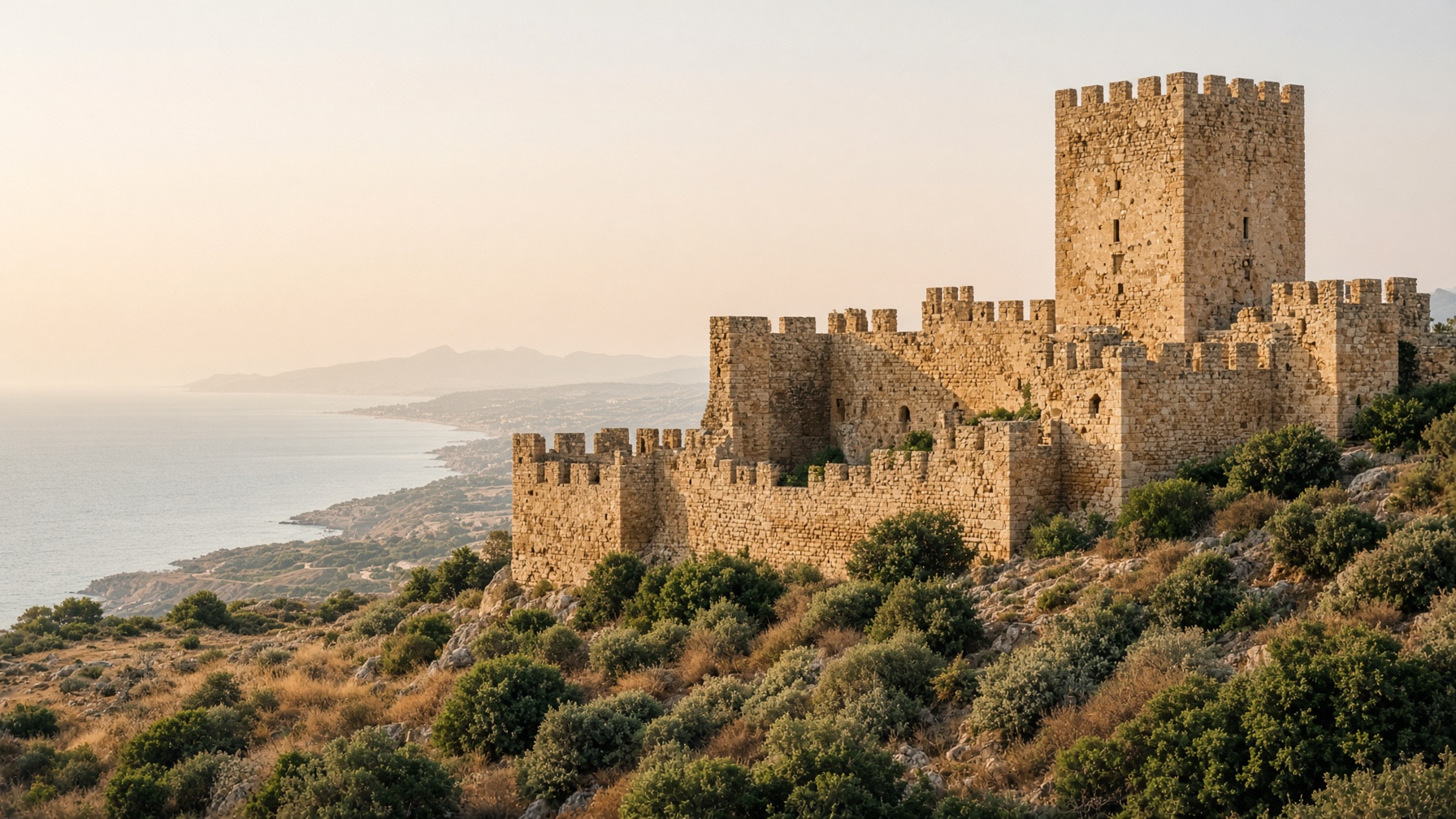
From nine knights on the road to Jerusalem to memory on the Valencian coast.
1119
Hugh of Payns and eight companions. Guard the roads to Jerusalem.
1129
Papal approval. White mantle, red cross, a rule.
1233
James I grants Chivert for help at Burriana. Neighboring lordship.
1274
James founds a royal village in Burriana’s term. After the order already exists.
1307
Philip IV seizes the Temple in France on 13 October.
1312–14
Clement V suppresses the order. Molay dies on the pyre in 1314.
1317–19
Valencian Templar goods pass to a new order. Memory, not a living Temple.
Roboto SAI - Super Advanced Intelligence. “Poor Knights of the Temple.” Roboto SAI Research, September 2026. https://roboto-sai.org/templars